

When to Start Using Retinol
Retinol is easily one of the most effective anti-aging skincare ingredients, but there is a lot of debate around when to start using retinol. Some people find it beneficial to incorporate retinol as part of their ‘preventive’ skincare routine, while others prefer to use retinol when visible signs of aging become more prominent.
If you’re not sure what age to start using retinol, we’ve curated this expert guide to using retinol in your twenties, thirties, forties, fifties, and beyond. Find out what to expect from this powerhouse ingredient below.

What does retinol do for skin?
Retinol stimulates the skin’s natural skin cell turnover to help correct uneven skin tone and visible textural concerns like fine lines and wrinkles. It is also renowned for its ability to encourage collagen synthesis, which is essential for improving skin elasticity. These notable benefits have made retinol a fixture in anti-aging skincare routines.
However, retinol is a powerful ingredient that can dry out and sensitise the skin if misused, so it’s important to take great care when you start using retinol. Lancôme’s skincare specialists have devised the Rénergie C.R.X. Triple Serum Retinol, a formula that combines retinol and vitamin C along with comforting x-peptide to visibly smooth the appearance of fine lines and brighten skin tone.

When to start using retinol: which age is right for me?
Your skin cell turnover is your complexion’s natural renewal process, where dead skin cells are replaced by fresher, healthier-looking skin cells. In a young adult, this process typically spans four weeks, but as you grow older, this turnover rate slows. Other stressors – such as UV exposure, pollution, smoking, emotional stress, and hormones – can also impede your skin cell turnover rate.
Retinol is designed to give your skin’s natural renewal process a gentle nudge – but what age should you start using retinol? Read on to find out how the skin changes each decade, how retinol can help, and explore application advice based on your age demographic.
In your 20s
Static fine lines and wrinkles are unlikely to develop in your 20s. However, your collagen production naturally begins to slow down as you hit your early to mid-20s, so retinol can be beneficial as a ‘preventive’ ingredient to minimise the depth of dynamic wrinkles – that’s wrinkles that you can see while your face is pulling an expression like frowning, laughing, or smiling.
If you’ve decided that your 20s are when you should start using retinol, begin with a very low concentration. With hardly any visible signs of aging and a robust skin cell turnover rate, you should only need to apply retinol once or twice per week.
In your 30s
Your 30s are often the gold standard for when to start using retinol as you’ll probably begin to notice fine lines appearing around the eyes and on the forehead. Sun spots can also become more visible in your thirties as your years of sun exposure begin to pile up. Your collagen production continues to slow by 1% every year after your mid-20s, so retinol can help combat a loss of skin elasticity.
With retinol, the higher your concentration, the more effective. So, your 30s are the ideal time to start building up your retinol tolerance as early signs of aging start to appear. Start with a low concentration (between 0.01% to 0.03%) a few times per week and work your way up to mid-strength over time (up to 0.5%). However, if you have a more tolerant skin type (like oily), you might benefit from a higher concentration (up to 1.0%).
In your 40s
If you haven’t had a need for retinol until now, you might discover that your 40s are when to start using retinol. That’s because, by now, your skin cell turnover will be much slower than it was in your 20s and 30s. This can result in dryness, dullness, hyperpigmentation, and more pronounced fine lines. But thankfully, retinol is designed to kickstart your natural skin cell turnover to mitigate aging concerns by smoothing the depth of wrinkles and unifying skin tone.
Build a skincare routine that includes a mid-strength retinol along with other anti-aging products like the Génifique Ultimate Serum, which is formulated with hyaluronic acid, liquorice extract, pure beta glucan-cm, and a blend of pre- and pro-biotic functions that support the skin microbiome and skin moisture barrier. Apply your retinol two to three times per week and slowly build up to nightly use.
In your 50s and beyond
If you have been gradually building your retinol usage for years up until now, your skin can probably tolerate higher concentrations of retinol – which are therefore more effective. However, if you haven’t dabbled in retinol until now, it’s never too late to start!
Once you reach middle age and beyond, your skin will generally become thinner and more prone to dryness and sensitivity. If you’re introducing retinol for the first time, you’ll need to ensure that you start slow (a couple of nights per week at first) and incorporate nourishing products that are formulated for sensitive skin. Two of our top picks are the Crème Mousse Confort Face Cleanser and the Hydra Zen Neurocalm Night Cream – our gentle, ultra-hydrating cleanser and night cream.
Is it bad to use retinol too young?
If you’ve ever wondered, ‘am I too young for retinol?’, Lancôme Australia’s Skincare Specialist Brittany Hanchard shares her expert insights:
“Retinol has gained so much traction on social media that a lot of teenagers and pre-teens are exposed to its anti-aging benefits without really knowing what it does to the skin. While retinoids are often used to fight blemish-prone skin in teenagers, it is prescribed via dermatologists only. Uncontrolled over-the-counter retinol usage is likely to be mishandled – and far too strong to apply topically to young skin.”
As Brittany alludes to, prescription-only tretinoin and retinoids are used to manage severe breakouts and minimise the chance of post-blemish marks from forming. But this is strictly prescribed by dermatologists since the effects are so potent. Teenagers should not be using topical retinol products for anti-aging benefits because it can cause dryness, tightness, redness, peeling, and heightened sensitivity. Fine lines and collagen loss are also not a concern for young skin, so there are no benefits to using retinol at such a young age.
Tips for starting retinol
As a retinol beginner, there are a few general guidelines to keep in mind to ensure that your skin stays balanced. Below, we have collated our tips for how to apply retinol when you’re just starting out:
- Start with a low concentration of retinol – like 0.01% to 0.03%.
- Introduce retinol gradually so your skin can acclimatise. You might follow the 1-2-3 rule: apply retinol once a week for one week, then twice a week for two weeks, then three times per week for three weeks.
- Prioritise hydration to mitigate discomfort. We suggest the Rénergie H.P.N. 300-Peptide Rich Cream, which is infused with a blend of hyaluronic acid, squalane, 300 peptides and niacinamide to support the skin moisture barrier.
- Retinol will increase your skin’s photosensitivity, so ensure that you stick to nighttime application only. In the morning, ensure you are wearing a broad-spectrum sunscreen. If you favour a little coverage with your SPF, opt for the UV Expert BB Cream Complete SPF 50+ to unify your skin tone while protecting against UV rays.
Now that you know what age to start using retinol, discover the truths and myths about what causes wrinkles.
Shop the selection
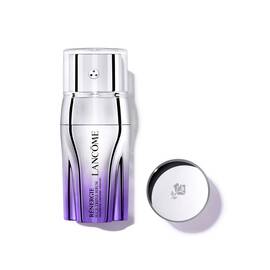
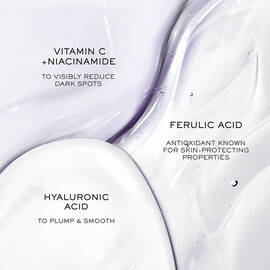
Rénergie H.C.F. Triple Serum
ANTI-AGING FACE SERUM FORMULATED WITH HYALURONIC ACID, VITAMIN Cg + NIACINIMADE & FERULIC ACID
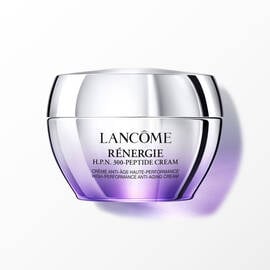
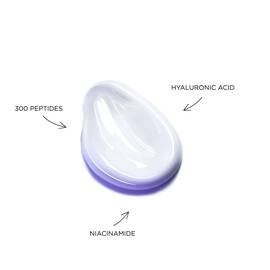
Rénergie H.P.N 300-Peptide Cream
VISIBLY REGENERATE SKIN FASTER, EVEN AS YOU AGE¹. This advanced peptide moisturiser combines over 300 peptides with hyaluronic acid & niacinamide to visibly lift, firm and smooth skin.
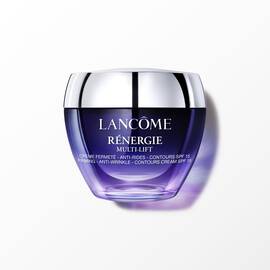
Rénergie Multi-Lift Day Cream
ANTI-WRINKLE SPF15 DAY CREAM FORMULATED WITH HYALURONIC ACID


