Humectants vs Emollients vs Occlusives: Moisturising Ingredients Explained
If you’re navigating dryness or dehydration, there are ample moisturising ingredients that can help nourish parched skin – and the most effective types are known as humectants, emollients, and occlusives
From moisture magnets to stratum corneum savours, humectants, emollients, and occlusives each have a unique role to play in skin hydration.
Read on as we differentiate between humectants vs emollients vs occlusives, how these moisturising agents can help support your skin moisture barrier, and which type of ingredient is right for your specific skin concerns.

What are humectants?
Humectants are water-attracting molecules that bind water to the skin surface.
Humectants draw water vapour from the external air, but they also pull moisture from deeper layers of the skin – like the dermis – and deliver it to the epidermis (your skin’s surface layer). In doing so, humectants help hydrate, plump, and soften dry and dehydrated skin. Humectants are commonly formulated in serums, moisturisers, cleansers, toners – and even makeup.
One of the most common humectants in skincare is hyaluronic acid – an ingredient famed for its water-binding properties. Glycerin is another equally effective, if lesser known, humectant that similarly nourishes the skin surface.
Both hyaluronic acid and glycerin are naturally occurring compounds found in the body – making them highly compatible with a range of skin types. Aloe vera is another natural humectant that helps balance moisture levels and comfort sensitised skin.
What are emollients?
Emollients are the ultimate companion to the skin moisture barrier. They work by filling in the gaps between skin cells, acting as a sort of ‘mortar’ in a brick-like structure to prevent moisture loss in the skin’s outermost layer. If we’re contextualising humectants vs emollients, humectants attract moisture, while emollients trap it in the skin moisture barrier, helping to soften and smooth dry, rough skin.
Squalane, ceramides, cocoa butter, shea butter, and jojoba oil are among the most common emollients. They are typically found in moisturisers, lotions, and ointments.
What are occlusives?
Occlusives form a protective layer over the skin to effectively hold moisture in the skin and help prevent transepidermal water loss (TEWL). While they don’t hydrate the skin in the same fashion as humectants vs emollients, they act as a barrier to seal in existing moisture.
Occlusives tend to have an oily or waxy texture, with common examples being petroleum jelly, beeswax, and silicones.
Humectants vs emollients vs occlusives: which one is right for me?
Choosing between an emollient vs humectant vs occlusive comes down to your individual skin type and concerns. Lancôme’s National Skincare Expert, Brittany Hanchard, shares her expert advice:
“Keep in mind that humectants, emollients, and occlusives work harmoniously together, so you might find it beneficial to use a combination of all three types of moisturising agents in your skincare routine – or handpick the one that will nourish your skin without feeling heavy.”
Read on to find out which moisturising ingredient is best for you.
Humectants for dehydration
Humectants are the ideal entry point to hydrate the skin – regardless of skin type. While perfect for dry and sensitive skin types, humectants also help rebalance hydration levels in oily and combination skin, while maintaining adequate surface hydration on normal skin.
If your skin is prone to excess oil, it’s generally best to prioritise a humectant vs an emollient or occlusive. Certain emollients might be too heavy on the skin, while occlusives may even clog pores if you have oily or blemish-prone skin.
Emollients for skin moisture barrier support
Emollients are particularly beneficial for dry and sensitive skin types, as they help reinforce the skin moisture barrier, lock in hydration at the skin surface, and promote softer, more comfortable skin.
While dry and sensitive skin types are most susceptible to moisture loss and a damaged skin moisture barrier, it can also happen to any skin type – particularly if you’re over-exfoliating or using harsh skincare ingredients. Look for ceramide- and squalane-rich products to help maintain a balanced skin moisture barrier.
Occlusives for very sensitive or compromised skin
Ideal for very sensitive, allergy-prone skin, occlusives serve as a protective layer over the skin, sealing in moisture and minimising TEWL – which can exacerbate signs of stressed skin such as redness, dryness, and prickling sensations.
But remember, you can’t rely on occlusives alone for your skincare for sensitive skin routine
– you’ll need to incorporate other nourishing ingredients to support skin comfort. This is where a combination of emollients and humectants can assist, working to mitigate dryness and sensitivity.
How to use humectants, emollients, and occlusives in your skincare routine
While all moisturising agents have their benefits, they will be more effective when used at the correct stage of your skincare regime.
For instance, humectants such as hyaluronic acid often appear in multiple skincare steps, whereas an occlusive is best placed at the end of a routine when locking in moisture.
As a general rule, you’ll want to apply these moisturising ingredients by order of consistency: from thinnest to thickest.
- As a gentle cleanser: The Galatée Confort Rich Creamy Cleanser is designed to remove impurities without robbing the skin of moisture. You don’t have to choose between humectants vs emollients here, either, as the formula is enriched with both glycerin and shea butter.
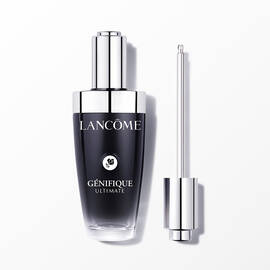
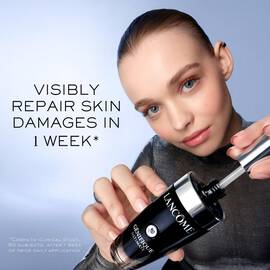
- As a hydrating serum: Formulated with star humectants hyaluronic acid and glycerin, the Génifique Ultimate Serum helps visibly replenish the skin and boost hydration to keep skin plump and supple for longer.
- As a nourishing day cream: Enriched with glycerin, the Génifique Day Cream smooths and nourishes dry and dehydrated skin in a velvety-soft finish.
- As a rich night cream: Blended with this star complementary duo – hyaluronic acid and squalane – the Rénergie H.P.N. 300-Peptide Rich Cream helps rehydrate and recalibrate dry skin. Once your moisturiser has settled into the skin, you may follow with an occlusive – like petroleum jelly – on particularly rough, dry patches.
Now that you’ve mastered the art of hydration with humectants, emollients, and occlusives, it’s time to get granular with your skin concerns. Explore our guide to the topical benefits of vitamins for your skin next.
SHOP THE SELECTION