

Retinol and Sensitive Skin: 6 Tips for a Gentle, Yet Effective, Routine
If you have naturally sensitive skin or you’ve experienced bouts of heightened sensitivity, you’ll know that it’s important to take extra care when introducing a new ingredient or product into your skincare regime. And we’re betting there’s one famous ingredient you’ve steered clear of until now: retinol.
Retinol and sensitive skin probably aren’t your idea of a perfect match, but there are so many retinol benefits for your skin that it’s worth finding out if this efficacious ingredient can be compatible with your skin type.
Between gentle formulas and gradual use, we’ve curated six application tips so that you start to incorporate retinol products for sensitive skin into your skincare ritual.

Is retinol safe for sensitive skin?
Yes, retinol can be safe for sensitive skin – but there are a few caveats.
Sensitive skin types are naturally prone to redness, dryness, tightness, and prickling and tingling sensations. These responses are usually brought on various triggers: fragrances, soaps, astringent skincare products, active ingredients, over-cleansing, extreme hot and cold temperatures, and other lifestyle factors.
When you’re already susceptible to such triggers, it might seem like retinol is simply off-limits. However, with the right precautions, you can still enjoy the anti-aging and blemish-fighting benefits of retinol. The key is to opt for a low concentration and introduce retinol gradually until your skin acclimates. This will help you mitigate retinol skin sensitivity.

What is the best retinol for sensitive skin?
The best retinol for sensitive skin is a low concentration – anywhere between 0.025% to 0.3% is ideal. If you were opting for a pure retinol serum, this would be the most suitable range for sensitive skin. However, you can also seek out retinol serums for sensitive skin that are formulated with nourishing ingredients that support the skin moisture barrier.
For example, Lancôme’s Rénergie C.R.X. Triple Serum Retinol is formulated with x-peptide (alongside retinol and vitamin C), which is proven to help comfort the skin.
How to use retinol on sensitive skin
Starting retinol when you have sensitive skin can be intimidating. So, we consulted Lancôme’s National Skincare Expert Brittany Hanchard for her advice:
“It takes time to build up a tolerance to retinol before you can really see its benefits, so our motto for retinol and sensitive skin is always slow and steady,” she explains. “Make sure that you are nourishing your skin at every other step of your routine and pay close attention to how your skin looks and feels after you apply retinol. This will tell you whether you need to scale back or incrementally increase your usage.”
To introduce this powerful ingredient carefully, we’ve curated six tips to help you manage retinol skin sensitivity.
1. Start off slow with a small amount
Gradual use is a non-negotiable for retinol and sensitive skin. To begin with, we recommend applying retinol once a week during your nighttime routine. Adhere to this schedule for two weeks, and if your skin seems to tolerate retinol without major redness or discomfort, you can increase application to twice weekly.
When you are applying retinol, stick to a pea-sized amount. Make sure the skin is cleansed and dry, then lightly press the retinol into your skin – allowing it to absorb completely before you moisturise.
For more advice around when to start using retinol, our in-depth guide will help.
2. Avoid other potent ingredients
When it comes to retinol, sensitive skin types have to tread carefully with other skincare ingredients. This means avoiding strong actives that could further sensitise the skin and lead to redness, tightness, flaking, and other discomfort. While you’re starting out, we suggest scaling back your nighttime routine to three key steps: cleanser; retinol; moisturiser.
It’s best to completely eliminate potent ingredients like salicylic acid (a BHA), glycolic acid, (an AHA), and benzoyl peroxide (used to manage blemishes). When using vitamin C with retinol, we recommend adhering to controlled amounts – like the Rénergie C.R.X. Triple Serum Retinol formula – to maintain skin comfort.
3. Switch to a gentle cleanser
Once you have decided to incorporate retinol into your regime, we suggest evaluating the other types of products in your lineup. Gentle products and ingredients are essential when choosing skincare for sensitive skin – and you can start with your cleanser.
High-foaming cleansers tend to dry out the skin, so you’ll need to seek out a gentle cream cleanser that removes impurities without depleting your skin’s moisture levels. Our pick is the Galatée Confort Rich Creamy Cleanser: a comforting, emollient-rich formula that effectively melts away makeup and impurities while leaving the skin soft and silky smooth.
4. Prioritise hydration
Maintaining a strong skin moisture barrier is one of the most important tips when using retinol. Sensitive skin types are prone to transepidermal water loss (TEWL) because they are more likely to have a compromised skin moisture barrier and fewer lipids in the skin.
You can protect your skin with nourishing ingredients that seal in hydration at the skin surface. Humectants like hyaluronic acid and glycerin attract and retain water, which make them particularly effective at hydrating your skin. Meanwhile, emollients – like squalane – mimic the skin’s natural lipids to lock in moisture and care for sensitive skin. You can harness all of these ingredients in the Rénergie H.P.N. 300-Peptide Rich Cream.
5. Protect your skin with SPF
Retinol makes your skin more photosensitive (prone to UV damage), so it’s important to apply SPF religiously during the day. Sensitive skin types are often triggered by external stressors, so SPF can also be an asset in this sense.
In your morning skincare routine, finish with a broad-spectrum SPF50 sunscreen. Wait at least five minutes before following with makeup – this prevents other products from tampering with the SPF. Make sure you apply sunscreen 20 minutes before any sun exposure – and, for more advice around how to apply retinol in your skincare routine, browse our comprehensive guide to the topic.
6. Be patient, and monitor your skin closely
Navigating retinol and sensitive skin is part waiting game, part detective work. Since you’re working with lower concentrations and gradual application, it will likely take longer to see results, but this elongated process will help prevent disruption to your skin moisture barrier.
While your skin is acclimating to retinol, monitor how it looks and feels. Make note of any significant redness, dryness, tightness, and other uncomfortable sensations – then adjust your application schedule as necessary.
Balancing retinol and sensitive skin can take some trial and error – along with the right nourishing ingredients. Next, discover the benefits of using ceramides in skincare to reinforce your skin moisture barrier.
Shop the selection
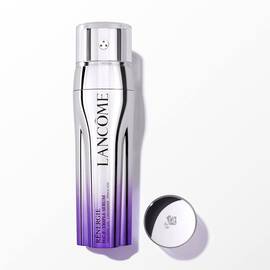
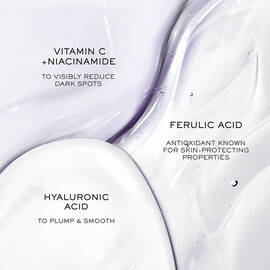
Rénergie H.C.F. Triple Serum
ANTI-AGING FACE SERUM FORMULATED WITH HYALURONIC ACID, VITAMIN Cg + NIACINIMADE & FERULIC ACID
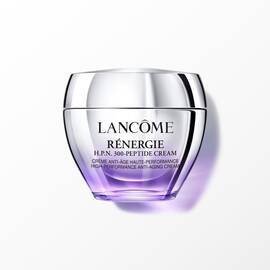
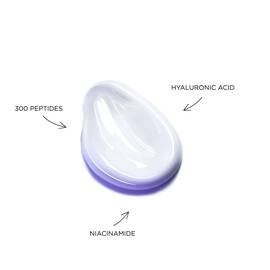
Rénergie H.P.N 300-Peptide Cream
VISIBLY REGENERATE SKIN FASTER, EVEN AS YOU AGE¹. This advanced peptide moisturiser combines over 300 peptides with hyaluronic acid & niacinamide to visibly lift, firm and smooth skin.
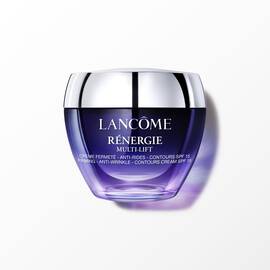
Rénergie Multi-Lift Day Cream
ANTI-WRINKLE SPF15 DAY CREAM FORMULATED WITH HYALURONIC ACID


