What is Retinol Purging – and How Can You Support Your Skin Through It?
Retinol is known for its potent benefits, but it can take some time for the skin to acclimate. During this period, the skin often undergoes a retinol skin purge. While it can be discouraging to see your skin concerns intensify, this is a necessary phase before you begin to see beneficial changes on the skin.
But how long does retinol purging last? And how can you mitigate retinol side effects?
In this guide, we’re lifting the veil on the infamous acclimation period known as ‘retinol purging’, along with our expert tips on nurturing your skin through the early days of retinol usage.

What are the effects of retinol on skin?
Retinol benefits the complexion by stimulating skin cell turnover, which can help usher in smoother, brighter, clearer-looking skin. By nudging the skin’s natural renewal process, retinol brings blemishes and other impurities to the surface, which makes it highly effective for blemish-prone skin and visible aging concerns.
But retinol effects are powerful, so this ingredient can cause sensitivity on various skin types.
What is retinol purging?
The retinol skin purge essentially brings impurities to the surface to ‘purge’ them from your skin. Retinol purging, also known as the ‘retinisation process’, is a temporary period that happens while your skin is adapting to retinol usage for the first time.
During this stage, blemishes can appear worse, and you’ll likely experience some feelings of discomfort: such as redness, dryness, flakiness, and possible tingling sensations. Typically, this is a sign that retinol is doing its job: encouraging skin cell turnover.

What does a retinol skin purge look like?
Although everyone’s skin is unique, retinol purging has some typical markers, including:
- An initial increase in breakouts – specifically, clogged pores like whiteheads and blackheads
- Dry, flaky patches
- Rough, uneven texture
- Facial redness and possible red bumps on the skin surface
- Possible tingling sensations, though this is more likely in already sensitive skin types
So, where does retinol purging occur? We reached out to Lancôme’s National Skincare Expert, Brittany Hanchard, for her insights:
“You’re most likely to notice signs of retinol purging on areas of the skin where you already experience breakouts. This is usually the T-zone – the forehead, nose, and chin. Dryness and flaking can happen all over, but it tends to be areas where the skin is thinner – like around the nose and mouth.”
How long does a retinol purge last?
This can vary based on your skin type, but a retinol skin purge can last anywhere between four to six weeks.
The average length of an adult’s skin cell renewal cycle spans between 28 and 42 days. So, if retinol is working effectively on your skin, your purge should last for the length of your skin cell cycle. If your retinol purging period exceeds two months, it might be time to consult a dermatologist.
What’s the difference between retinol purging and breakouts?
Retinol purging is a short-term effect of retinol on skin, whereas breakouts can be more persistent and have deeper underlying causes.
Purging blemishes are usually smaller and more superficial than standard blemishes – and tend to resolve themselves faster. Getting through the retinol purging process may be somewhat of a mental hurdle as well: it can be tough waiting for skin to ‘get worse before it gets better’. But remember, purging blemishes are temporary – and they signify that retinol is promoting skin cell renewal.
How to support your skin through retinol purging
You might dread the thought of the initial retinol skin purge. But, with the right care, you can support your skin through this transient process. Here are some of our general guidelines:
- Start with gradual use and build up over time
- Avoid using chemical exfoliants
- Keep a close eye on how your skin behaves during the retinol purging process
- Hydrate your skin with nourishing ingredients
- Protect your skin from UV rays
Read on as we take you through each of these tips.
Introduce retinol gradually
The most effective way to apply retinol and comfort your skin through retinol purging is to start with slow, gradual use. You can build up your usage over time as your skin acclimates.
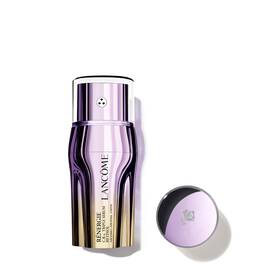
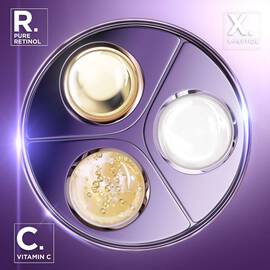
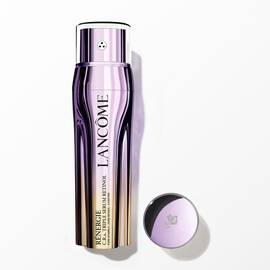
Using Lancôme’s Rénergie C.R.X. Triple Serum Retinol, you can follow the ‘1, 2, 3 method’:
- Apply retinol once in the first week of usage.
- Apply retinol twice in the second week of usage.
- Apply retinol three times in the third week of usage.
Remember, not all skin types are the same. If you notice more retinol purging as you increase usage, it might be best to scale it back.
Cut out exfoliants
While exfoliants can be incredibly effective in unclogging pores and encouraging skin cell renewal, they can also heighten photosensitivity and cause dryness in the skin. If used alongside retinol, this can trigger feelings of discomfort.
To minimise sensitive side effects of retinol, we recommend scaling back your skincare routine and eliminating other potent ingredients. This means avoiding chemical exfoliants – like salicylic acid and glycolic acid – to avoid damaging your skin moisture barrier.
Monitor your skin closely
When you start using retinol, it’s important to monitor how your skin behaves during the retinol purging process. After a few weeks, you should be able to recognise if your skin is purging as it should – or if your skin isn’t responding well to retinol.
While the length of retinol skin purges can vary between individuals, if you are noticing a significant increase in blemishes and discomfort, it might be a sign that your strength of retinol or frequency of use is causing too much skin sensitivity.
Keep the skin nourished
Retinol is a powerful anti-aging and anti-blemish ingredient, but it can also dry out the skin – and, if over-used, can compromise the skin moisture barrier. When this protective lipid layer gets damaged, it can lead to moisture loss in the skin and may exacerbate the sensitive side effects of the retinol skin purge.
We recommend seeking out moisturisers that are rich in humectants and emollients, like Rénergie H.P.N. 300-Peptide Rich Cream to keep your skin nourished. This daily moisturiser is formulated with known hydrators like hyaluronic acid, squalane, and glycerin to support the skin moisture barrier.
Protect with daily SPF
The cardinal rule of retinol application is to ensure that you are keeping your skin protected from UV rays. Retinol makes the skin more photosensitive, which makes it more susceptible to UV damage. At the end of your morning skincare routine, be sure to always apply a broad-spectrum sunscreen with a high protection factor (always aim for SPF50 or SPF50+). Ensure that you apply 20 minutes before sun exposure.
If you have sensitive skin, you might notice more retinol purging as you’re getting used to this powerful ingredient. Next, explore our tips on navigating retinol and sensitive skin for an effective, yet gentle, routine.
Shop the selection
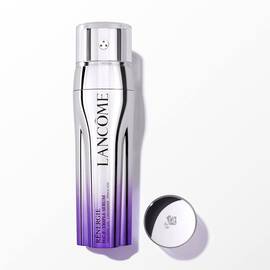
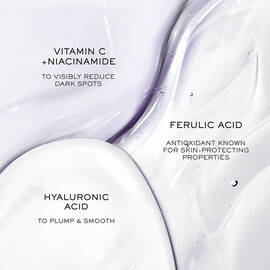
Rénergie H.C.F. Triple Serum
ANTI-AGING FACE SERUM FORMULATED WITH HYALURONIC ACID, VITAMIN Cg + NIACINIMADE & FERULIC ACID