Can You Use Hyaluronic Acid and Retinol Together?
Some skincare ingredients are so ubiquitous that even a skincare novice could recognise them by name alone. Hyaluronic acid and retinol are two such ingredients. The former is a hydrating tour de force, the latter is the pinnacle of anti-aging skincare.
But can you mix hyaluronic acid with retinol?
Layering serums can take some finesse, especially when you’re dabbling with active ingredients for the first time.
In this guide, we’ll be exploring how you can use hyaluronic acid with retinol safely and effectively, along with the powerful benefits that come with pairing these ingredients together.

Can you use hyaluronic acid with retinol?
Both hyaluronic acid and retinol have become fixtures in contemporary skincare products, commonly formulated in serums and moisturisers. Before we dive into the merits of using these two ingredients together, let’s take a look at hyaluronic acid and retinol individually.
Retinol
Derived from vitamin A, retinol benefits the skin by stimulating skin cell turnover and collagen synthesis. This is particularly useful for targeting blemishes, fine lines and wrinkles, hyperpigmentation, dullness, and sagging skin. Retinol is known for its potency, so a certain amount of redness, dryness, tightness, and flakiness can be expected while the skin adjusts.
Hyaluronic acid
A sugar molecule that’s naturally produced by the body, hyaluronic acid is often considered the benchmark of skin hydration. The benefits of hyaluronic acid are linked to its status as a humectant. By attracting water to the skin surface, hyaluronic acid plumps and smooths, supports the skin moisture barrier, and prevents transepidermal water loss (TEWL).
Can you use hyaluronic acid with retinol?
Yes, hyaluronic acid and retinol can be used together. In fact, they can be quite a complementary duo, particularly when it comes to targeting visible aging concerns. Brittany Hanchard, Lancôme’s National Skincare Expert, echoes this sentiment:
“Hyaluronic acid and retinol have something of a beneficial relationship; they bring out the best in one another. Hyaluronic acid hydrates and plumps the epidermis but doesn’t interact with the skin on a cellular level like retinol does. Retinol, on the other hand, can be quite potent – but hyaluronic acid helps mitigate those feelings of discomfort.”
What are the benefits of using hyaluronic acid and retinol together?
Together, hyaluronic acid and retinol can impart a number of synergistic benefits to the skin:
- Hyaluronic acid deeply hydrates dry skin – a common byproduct of retinol usage.
- Both have anti-aging capabilities: hyaluronic acid supports skin elasticity and volume; and retinol smooths textural concerns and supports collagen production.
- Retinol can make the skin more sensitive, which can be exacerbated by water loss in the skin – but hyaluronic acid boosts water retention and mitigates TEWL.
- Hyaluronic acid supports the skin moisture barrier and helps skin through retinol purging.
Hyaluronic acid and retinol order: which goes first?
We don’t advise mixing or layering hyaluronic acid and retinol freely; special care should be taken when introducing actives into your skincare routine. There is some contention about which serum should be applied first, but it ultimately comes down to your needs.
- Applying retinol first: This follows the ‘active to least active’ skincare ingredient rule. Applying retinol before hyaluronic acid ensures retinol can penetrate the skin more effectively. If you have fairly tolerant skin (not overly dry or sensitive) this order might work best for you.
- Applying hyaluronic acid first: This follows the ‘thinnest to thickest’ serum rule, as hyaluronic acid is a water-based serum and therefore has a thinner texture than retinol. This may affect how deeply retinol penetrates the skin but it may help minimise some potential dryness and sensitivity.
How to use hyaluronic acid and retinol: a step-by-step nighttime routine
The cardinal rule of retinol application is that it should only be applied at night. This is because retinol makes the skin more photosensitive – and therefore more susceptible to UV damage.
To help get you started, we’ve formulated a simple, five-step skincare routine that you can follow to incorporate both hyaluronic acid and retinol. In this scenario, we will be applying retinol serum first. So, read on.
Step 1: Cleanse your skin
A cleansed base is essential for optimal product absorption and to eliminate impurities that accumulate throughout the day.
As retinol is quite a drying ingredient, we recommend reaching for a cleanser that maintains hydration on the skin surface. The Gel Eclat Clarifying Cleanser Pearly Foam penetrates deep into the pores to remove stubborn makeup and debris without over-drying the skin – leaving it supple and radiant.
Step 2: Apply retinol serum to dry skin
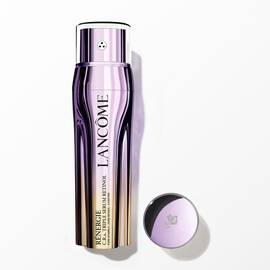
As a rule, retinol should only be applied to cleansed, dry skin. Make sure to pat your skin completely dry. Then, apply a pea-sized amount of the Rénergie C.R.X. Triple Serum Retinol to your face.
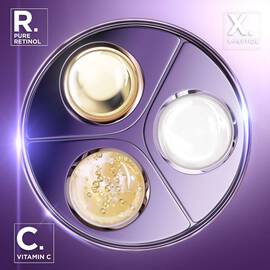
This serum is formulated with an efficacious blend of pure retinol to reduce visible signs of aging, vitamin C to brighten skin tone, and X-peptide to comfort skin.
Step 3: Wait 20 to 30 minutes for the serum to absorb
Any time you apply retinol, it’s important to wait 20 to 30 minutes for the serum to fully absorb into the skin. This will give the retinol time to penetrate the skin without any products to dilute its efficacy.
Step 4: Apply hyaluronic acid serum to damp skin
Once your retinol has settled into the skin, you can apply your hyaluronic acid serum. We recommend the Rénergie H.C.F. Triple Serum, our triple-dose serum that fuses hyaluronic acid, vitamin C and niacinamide, and ferulic acid to plump and replenish the skin.
As a humectant, hyaluronic acid draws water from its surroundings and binds it to the skin. So, this ingredient is most effective when applied to wet skin.
Step 5: Lock in hydration with a moisturiser
One of the most important steps in your hyaluronic acid and retinol routine is to seal in your products with a moisturiser. This is going to help amplify hydration and minimise potential feelings of discomfort.
Opt for a rich anti-aging moisturiser like the Rénergie H.P.N 300-Peptide Cream, which combines hyaluronic acid, niacinamide, and over 300 types of peptides to smooth and nourish aging skin.
Now that you’ve mastered the art of using hyaluronic acid and retinol, delve into another synergistic duo: retinol and vitamin C.
SHOP THE SELECTION
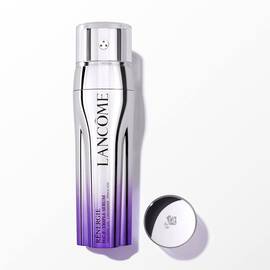
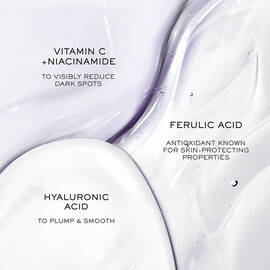
Rénergie H.C.F. Triple Serum
ANTI-AGING FACE SERUM FORMULATED WITH HYALURONIC ACID, VITAMIN Cg + NIACINIMADE & FERULIC ACID