

Transepidermal Water Loss (TEWL): Signs, Symptoms, and How to Manage with Skincare
Transepidermal water loss – often shortened to TEWL – sounds technical, but it describes a simple process: moisture gradually escaping from the skin into the surrounding environment.

It’s something your skin does every day. But when water leaves faster than your skin can replace it, hydration levels drop, and skin can start to feel tight, rough, or persistently dry.
So, what is transepidermal water loss, and how can you prevent it?
Read on as we break down what causes TEWL, the signs to look for, and the skincare ingredients that can help slow it down.
What is transepidermal water loss?
Transepidermal water loss refers to the gradual loss of moisture from the skin.
More specifically, it describes water moving from deeper layers of the skin, through the epidermis, and into the surrounding environment.
The epidermis is your skin’s outermost layer. Its job is to slow water loss, while still allowing skin to function normally. When transepidermal water loss increases, that control system becomes less efficient. Water evaporates faster – and skin becomes less capable of holding onto hydration on its own.
So, how does TEWL show up on your skin?
Signs of transepidermal water loss
When transepidermal water loss increases, your skin often shows signs that hydration isn’t being retained properly.
Common transepidermal water loss symptoms include:
- Tightness after cleansing – skin feels stiff or uncomfortable once dry, rather than soft or settled.
- Dull skin – where the cheeks’ natural, reddish-pink warmth fades.
- Fine lines that stand out – fine lines and wrinkles appear sharper around expressive areas such as the eyes and mouth.
- Flaking and dryness – dry patches of skin that feel rough and uncomfortable, often felt first around the mouth, nose, and cheeks.
What causes transepidermal water loss?

Increased transepidermal water loss can be caused by a damaged skin moisture barrier – but TEWL can also arise from everyday habits and environments.
Common causes of transepidermal water loss (TEWL) include:
- Low humidity. This can increase evaporation from the skin’s surface, especially in winter or in air-conditioned environments.
- Excessive exfoliation, which can thin the skin’s outer layers – leaving it with less protection.
- UV exposure, which dries out the surface and slows skin’s natural recovery process.
- Active ingredients (such as tretinoin and retinol), when overused, can temporarily increase TEWL by speeding up cell turnover before the skin adjusts.
- Hormonal shifts. Particularly in menopausal skin , hormonal fluctuations can intensify skin water loss, even in previously balanced skin.
- Skin type – dry and sensitive skin tends to experience higher TEWL.
Not sure what your skin type is? Use our new E-Skin Expert to get personalised insights, and skincare solutions tailored to your complexion.
How to prevent TEWL

“Your body loses hundreds of millilitres of water through the skin each day,” explains our National Skincare Expert, Brittany Hanchard. “That means that a good TEWL skincare routine must replenish hydration – then lock it in – to support lasting moisture retention.”
Below, we break down the steps and ingredients that prevent transepidermal water loss, and explore how you can easily incorporate them into your daily skincare regimen.
1. Switch to a gentle cream cleanser
If your skin feels tight after cleansing, your cleanser may be doing too much. That tight feeling often signals that, while removing the everyday detritus and debris from your skin, much of its moisture – and many of its supportive oils – have been removed too.
A cream cleanser is often the better choice because it removes sunscreen, makeup, and daily buildup – without removing too much moisture. One option we recommend is our Crème Mousse Confort Face Cleanser. Starting as a rich cream, it transforms into a soft mousse to lift impurities from the surface. Better still, it contains glycerin to help maintain your skin’s hydration levels – ensuring it feels clean, but not dry, once you rinse.

2. Add a hydrating serum
Serums sit close to the skin, enabling them to deliver hydrating ingredients quickly. That’s what makes them especially helpful for managing transepidermal water loss – because they add water back into the skin, before helping the surface hold onto it.
Our Rénergie H.C.F. Triple Serum targets skin water loss with a layered, multi-ingredient approach. Hyaluronic acid supports water retention, niacinamide strengthens the skin’s moisture barrier, and ferulic acid helps defend against environmental stress as these ingredients work their magic.
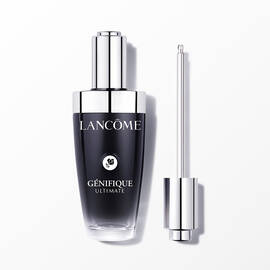
If your skin is on the sensitive side, look for water-based, alcohol-free serums like our Génifique Ultimate Serum. It uses hyaluronic acid to draw water into the skin, and contains pre- and probiotic fractions that support the skin’s microbiome (the “good” bacteria on the surface), helping the skin retain moisture.
3. Moisturise morning and night
Moisturiser might feel like an obvious step when it comes to managing TEWL, but the formula matters – so be sure to choose the right moisturiser to impart lasting hydration.
Our Absolue Rich Cream offers a thick, hydrating texture – formulated with squalane and glycerin – that melts into the skin. It can be layered on more generously when dryness is intense, but also sits well under makeup as an everyday layer of hydration and protection.

4. Protect with SPF
Sunscreen is the final step after moisturiser – and it’s non-negotiable if you want to manage TEWL and avoid exacerbating the symptoms.
Apply SPF every morning, then reapply through the day – even when it’s cloudy. UV exposure weakens the skin’s surface over time, making moisture escape faster. Daily SPF helps protect the hydration you’ve built into your routine, and avoid TEWL from taking root.
Ingredients that prevent transepidermal water loss (TEWL)
The most effective ingredients that prevent transepidermal water loss fall into three groups – humectants, emollients, and occlusives . Each helps hydrate the skin in a different way:
- Humectants draw water into the skin and hold it there, helping reduce tightness and dehydration lines. Look for hyaluronic acid and glycerin in serums and lightweight moisturisers, especially if your skin feels dry soon after cleansing.
- Emollients support the skin’s surface by smoothing and reinforcing the spaces between skin cells. Squalane and ceramides are daily skincare and makeup staples.
- Occlusives – create a thin protective layer that slows evaporation. Ingredients like shea butter and mineral oil are often found in richer creams and balms and work best as a final layer at night.
Transepidermal water loss is normal, but it can be managed with the right skincare routine. Next, learn more about dry skin, including its causes, and the key features to look for.
Shop the selection


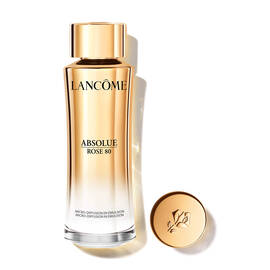
Absolue Rose 80 Micro-Diffusion In Emulsion
INSTANT SKIN REFINING EMULSION