

What Age Should You Start Using Anti-Aging Skincare Products?
Many people think that anti-aging skincare is only necessary once the visible signs of aging skin have already begun to appear – but this is a misconception.
Often, the most effective skincare is preventative – and it’s never too early to invest in your skin and start forming supportive habits that will serve you long-term. Conversely, it’s never too late to integrate anti-aging products into your skincare ritual to plump and hydrate your skin, smooth textural concerns, and help you reclaim your glowing skin of years past.
To begin, we’re going to take you through some of the visible and textural changes you can expect as your skin matures. Then, we’ll explore what anti-aging skincare actually does, before delving into which Lancôme products can help support your aging concerns.

What happens to skin when we age?
Our skin is in a perennial state of regeneration, working overtime to self-hydrate, shed dead skin cells, and produce collagen.
These biological functions happen without our realising, but many of them decline with age – which is when we first tend to notice visible skin concerns. This might include fine lines and wrinkles, loss of elasticity, dry patches, lack of radiance, and hyperpigmentation.
Read on for the specifics of what happens to skin when we age.
Collagen and elastin production declines
The skin naturally produces its own collagen and elastin. These two proteins are essential to the skin’s structural integrity: keeping it smooth, firm, and full of bounce. However, your collagen and elastin production naturally slows down by approximately 1% every year after your early 20s – and this figure often doubles after perimenopause and menopause.
With this natural drop in production, skin begins to lose its elasticity, volume, and firmness, and dynamic fine lines eventually become static wrinkles.
Skin cell turnover slows
Another function that your body performs on its own is the natural skin renewal cycle. This process, called skin cell turnover, is your epidermis’s way of shedding dead skin cells and making way for new ones. However, the speed of your skin cell turnover gradually declines with age, which can result in a buildup of dead skin cells.
This has several knock-on effects: including uneven skin tone, dry or rough patches, and more pronounced hyperpigmentation – as well as visible fine lines and wrinkles.
Skin loses some of its natural hydration
Your skin becomes more prone to dehydration with age. This comes down to a few factors: the body produces fewer natural oils, hyaluronic acid production decreases, and the skin moisture barrier weakens and becomes more susceptible to transepidermal water loss(TEWL). Your body’s collagen loss and slower skin cell turnover can also play a part in the skin’s ability to retain moisture and keep itself hydrated.
Cumulative photodamage
Years of frolicking in the sun – especially without adequate UV protection – eventually show up on the skin. Cumulative UV damage can present as visible dark spots and uneven skin tone as the skin matures. Prolonged UV exposure can also impact your skin’s texture. UVA rays, for example, are known to break down collagen and elastin fibres – a major contributing factor of visible fine lines and wrinkles.
What does anti-aging skincare do?
Anti-aging skincare is formulated with ingredients that target the visible and textural changes that happen to skin as it matures.
This means there is an emphasis on supporting hydration, boosting radiance, evening out skin tone, protecting from free radicals, and encouraging skin cell turnover and collagen production.
Below are common ingredients you’ll find in anti-aging skincare to address visible signs of aging.
- Hyaluronic acid: One molecule of hyaluronic acid can hold up to 1,000 times its weight in water, making it a powerful skin hydrator.
- Retinol: A potent ingredient that stimulates skin cell turnover and collagen synthesis, resulting in smoother, brighter, more refined skin.
- Vitamin C: This ingredient is an antioxidant, meaning it can defend the skin against free radicals, which contribute to visible signs of aging.
- Niacinamide: Known to help brighten dull skin, support moisture retention, and reduce the appearance of hyperpigmentation.
- Peptides: These are short chains of amino acids that signal your body to produce collagen and elastin.
- Alpha hydroxy acids (AHAs): AHAs work as chemical exfoliants, which can target hyperpigmentation and fine lines by encouraging skin cell turnover.
What age should I start using anti-aging skincare?
Opinions tend to differ here – and the ‘correct’ age to start using anti-aging products isn’t set in stone. So, we reached out to Lancôme’s National Skincare Expert Brittany Hanchard for her advice:

The cornerstones of anti-aging skincare – hydration, brightening, antioxidant production, promoting skin cell turnover, and stimulating collagen synthesis – are important for virtually any skincare routine. So, even if you think it’s not quite time to start an anti-aging skincare routine, you can still practise many of the same nourishing habits.

Lancôme skincare products for anti-aging
Some anti-aging skincare steps – such as morning and night cleansing and protecting your skin against UV rays with daily SPF – are already established.
Beyond these staple steps, though, there are skincare practices you can adopt to help maintain balanced, youthful-looking skin. Whether you’re taking a preventive or targeted approach, you can create an anti-aging skincare routine with Lancôme skincare products that support the skin at any stage. Find out how below.
Anti-aging serums
Enriched with high concentrations of targeted ingredients, anti-aging serums allow you to customise your skincare routine to your individual skin concerns.
Rénergie H.C.F. Triple Serum blends hyaluronic acid, C+niacinamide, and ferulic acid to help hydrate and brighten aging skin, all while enhancing protection from free radicals – which are known to visibly accelerate skin aging.
We’d be remiss not to include retinol in this list, since this vitamin A derivative is universally considered the benchmark of anti-aging skincare ingredients. Known to stimulate skin cell turnover and collagen synthesis, retinol’s benefits are far-reaching – no matter when you start using it. Our Rénergie C.R.x. Triple Serum Retinol blends retinol with vitamin C and peptides to help renew skin cells and diminish the appearance of wrinkles.
Anti-aging eye creams and serums
The first visible signs of aging often develop around the eye contour, so be sure to focus on this delicate area in the journey to smoother, brighter, firmer skin.
Enriched with a blend of powerful anti-aging actives, the Rénergie H.C.F. Triple Serum Eye is designed to target dynamic eye lines, uplift eyelids, and de-puff eyebags.
To help diminish puffiness, wrinkles, and a fatigued undereye appearance, follow with the Rénergie Yeux Eye Cream. This unique formula is enriched with Lancôme’s next generation hyaluronic acid – selected for its molecular size and skin-penetrating abilities – as well as peptides to stimulate collagen synthesis.
Anti-aging moisturisers
As your skin evolves, it’s vital to choose a moisturiser that best suits its needs. Anti-wrinkle creams can help lock in hydration, soften both fine and deeper-set lines, and support overall radiance. These benefits are valuable for skin at any age, so incorporating an anti-aging moisturiser into your skincare routine as early as your 20s can have a positive impact.
Rich in peptides, hyaluronic acid, and niacinamide, the Rénergie H.P.N 300-Peptide Cream plumps the skin surface, imparts lasting hydration, evens out skin tone, and targets skin firmness and elasticity. Formulated with our innovative collagen complex, the Rénergie Collagen+ Lift-Xtend Cream is designed specifically to counteract visible signs of collagen loss – including sagging skin and diminished jawline and facial contour definition.

Apprehensive about trying retinol for the first time? Assuage your fears with our in-depth guide on how to apply retinol in your skincare routine.
Shop the selection
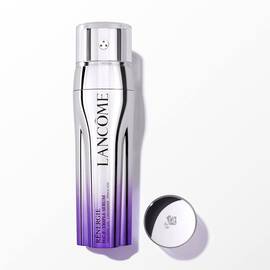
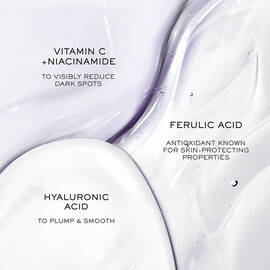
Rénergie H.C.F. Triple Serum
ANTI-AGING FACE SERUM FORMULATED WITH HYALURONIC ACID, VITAMIN Cg + NIACINIMADE & FERULIC ACID
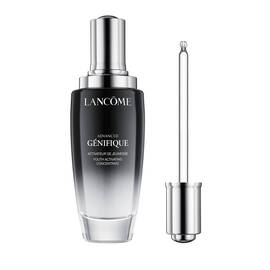

Advanced Génifique Serum
YOUTH ACTIVATING FACE SERUM FORMULATED WITH VITAMIN CG, HYALURONIC ACID AND PRE/PROBIOTIC FRACTIONS
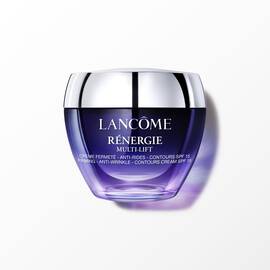
Rénergie Multi-Lift Day Cream
ANTI-WRINKLE SPF15 DAY CREAM FORMULATED WITH HYALURONIC ACID